Paddock and Long-Grass Cutting in North Norfolk: Managing Larger Rural Properties Year-Round
Need paddock grass cutting in Norfolk? We cut long grass, rough ground and rural plots across Norfolk and Suffolk. Call S.J.Pond Services today.

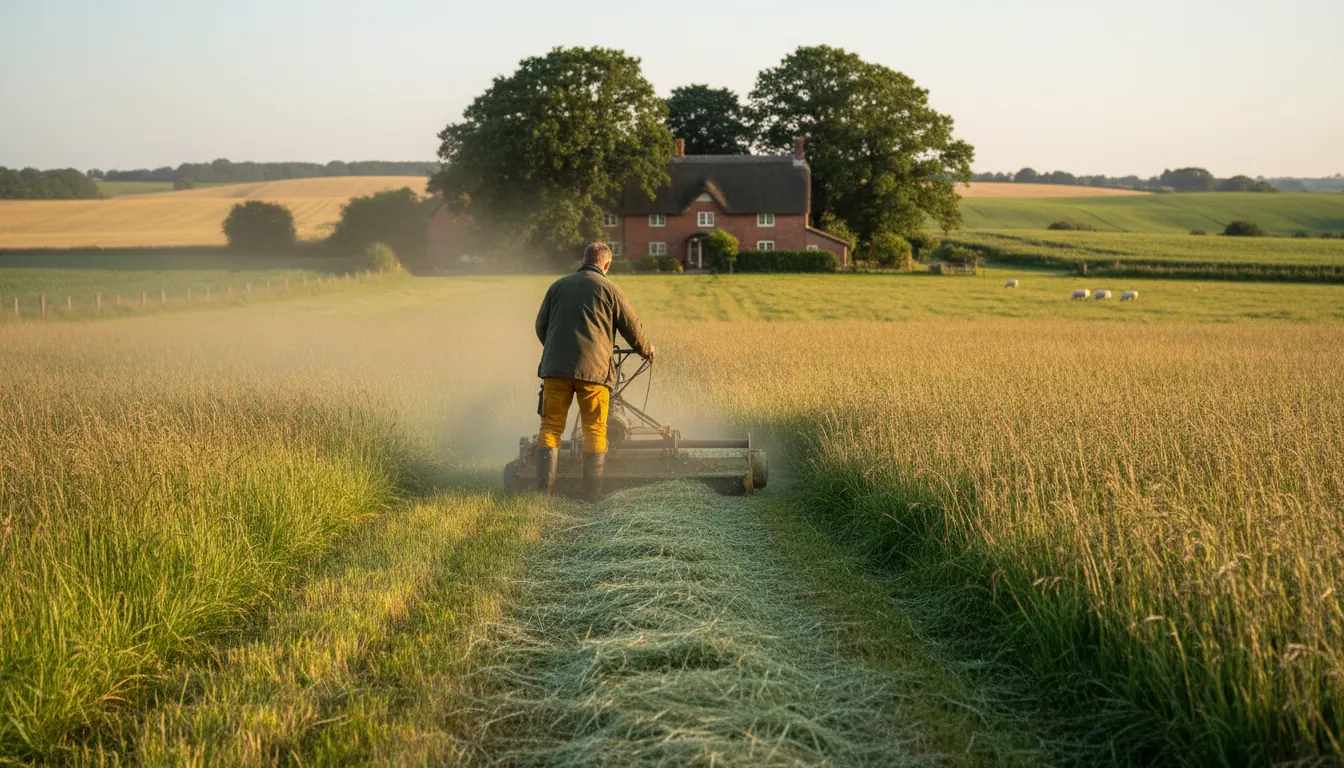
Paddock Grass Cutting in Norfolk: What You Actually Need to Know
Long grass doesn't wait. Leave a paddock or rural plot uncut through spring and summer and by August you've got a tangled, knee-high mess that a domestic mower won't touch. We see it all the time across Norfolk and Suffolk, from smallholdings outside Bungay to pony paddocks near Fakenham, from rough field corners in Attleborough to overgrown plots on the outskirts of Norwich. The grass gets ahead of you, and suddenly it feels like an overwhelming job.
It isn't. With the right equipment and a bit of know-how, even the most neglected paddock can be brought back under control. Here's everything worth knowing about managing long grass and rough ground on rural properties in Norfolk.
Why Paddock Grass Cutting Is Different from Lawn Mowing
A domestic rotary mower will bog down and stall the moment you put it into grass that's gone over ankle height. Paddock cutting needs something heavier: a tractor-mounted topper, a ride-on with a high-cut deck, or a powerful brushcutter and flail-style equipment that can handle thick stems, seed heads and the odd hidden branch.
There's also the question of what's lurking in the grass. Rural plots often have:
- Rabbit holes and uneven ground that can catch wheels and blades
- Old fence posts, wire or rubble left from previous uses
- Patches of rush, dock and thistle that need more than one pass
- Wet, boggy corners that need a different approach to dry, sandy areas
We always walk a paddock before we cut it. A quick survey saves equipment damage and keeps the job safe.
The Best Time of Year for Paddock Cutting in Norfolk
Norfolk's climate means the grass growing season runs roughly from March through to October, with a peak flush in May and June. Most paddocks benefit from at least two cuts a year, sometimes three if the ground is productive.
Spring cut (April to May): Gets ahead of the main flush. Keeps the sward manageable and stops rank grasses from dominating.
Late summer or early autumn cut (August to October): This is the one most people ask us about. By late summer the grass has set seed and started to mat down. Cutting now tidies the paddock before winter, lets light and air reach the base of the sward, and makes spring growth much cleaner.
If you're managing a paddock for horses or livestock, timing matters even more. You want to cut before the grass becomes too stemmy and unpalatable, but not so early in autumn that you stimulate a flush of soft growth that then gets hit by frost.
For wildlife-friendly paddocks or areas managed as rough meadow, later cutting is often better. Leaving seed heads standing through summer gives birds and insects something to work with. We can advise on timing depending on what you're trying to achieve.
Managing Rough Ground and Overgrown Rural Plots
Some jobs aren't really paddock maintenance at all. They're reclamation. A plot that's been left for two or three years without cutting will have self-seeded scrub, bramble patches, dock and thistle that's gone woody at the base, and possibly young tree growth starting to push through.
That's where our chainsaw work and heavy clearance comes in. We can take out the woody growth, cut back brambles and scrub, and then follow up with a thorough cut of whatever grass remains. It usually takes more than one visit to get a seriously overgrown plot back to a manageable state, but we'll be honest with you about that from the start.
If you're starting from scratch with a plot that needs more than just cutting, it's worth reading our article on chainsaw work and heavy growth removal in Norfolk for a fuller picture of what's involved.
Autumn Paddock Care: What to Do After the Final Cut
Once the last cut of the season is done, there are a few things worth thinking about before winter sets in properly.
Check your boundaries. Autumn is a good time to walk the perimeter of a paddock and look at the fencing. Summer growth hides a lot of problems. Leaning posts, rotted rails, broken wire and overgrown hedges pressing into the fence line all become visible once the vegetation dies back. We do fencing repairs and replacement across Norfolk and Suffolk, so if you spot problems, get in touch and we can sort them at the same time as the cutting.
Deal with the arisings. Depending on the cut, you may have a significant amount of loose material on the ground. In some cases this can be left to mulch down. In others, particularly if you're managing for a specific sward type, you'll want it removed. We can advise on what makes sense for your plot.
Boundary hedges. If your paddock has hedges on the boundary, autumn is a sensible time to get them cut back before the nesting season begins in late winter. We always check for active nests before cutting and avoid heavy work during the main nesting period. For more detail on timing, our article on hedge trimming in Norfolk: when to cut and why autumn matters covers this properly.
Rural Properties Across Norfolk and Suffolk: What We Cover
We're based just north of Norwich and cover the whole of Norfolk and Suffolk. That means we regularly work on rural plots from the Broads area around Wroxham, across the heavier soils of mid-Norfolk near Dereham and Wymondham, out to the coastal fringes near Cromer and Holt, and down into Suffolk as far as Woodbridge, Stowmarket and Sudbury.
Norfolk and Suffolk have very different soil types and that affects how paddocks and rough ground behave. Sandy, free-draining soils in Breckland near Thetford dry out fast and can produce a thin, weedy sward if not managed well. Heavier clay soils in south Norfolk and Suffolk hold moisture and can get very churned and waterlogged in a wet autumn. We factor all of this in when planning a cut.
If you're not sure whether your plot counts as a paddock or just a very large garden, it doesn't matter. Get in touch and describe what you've got. We'll tell you honestly what we think needs doing.
What Our Customers Say
The work we do on rural plots and overgrown growth is the same approach we bring to every job: turn up, get stuck in, and leave the place tidy. Here's what one customer had to say after we tackled a laurel that had completely got away from her:
"Had Sam come and sort out my laurel that had gone completely out of control, Sam is a complete professional arrived on time took all the laurel away made sure I was happy with his work ,which I am ,so glad I went for his company, I can't recommend them high enough, will definitely used them again." , Theresa Pond
That's exactly how we approach paddock and rural work too. We'll talk through what you need, get the job done properly, and take everything away in the van.
Frequently Asked Questions About Paddock Grass Cutting in Norfolk
How often should a paddock be cut each year? Most paddocks in Norfolk benefit from two cuts: one in late spring to get ahead of the main growth flush, and one in late summer or early autumn before the grass sets hard for winter. Heavily used paddocks, particularly those grazed by horses, may need more frequent attention. We'll give you a straight answer once we've seen the plot.
Can you cut a paddock that hasn't been touched for several years? Yes, though it may take more than one visit. Seriously overgrown ground often has woody growth, brambles and self-seeded scrub mixed in with the grass, and that needs to be dealt with before a clean cut is possible. We'll assess the site first and tell you what's realistic.
Do you take the cuttings away? Where arisings need to be removed, we take them away in the van. Some paddock cuts produce a significant volume of material. We'll discuss what makes sense for your specific plot, whether that's removal or leaving the material to break down on site.
Do you cover rural areas outside Norwich, including more remote parts of Norfolk and Suffolk? Yes. We cover the whole of Norfolk and Suffolk, including more rural areas. Whether you're near Holt, out towards the Suffolk coast near Southwold, or somewhere in between, get in touch and we'll let you know if we can reach you.
Get Your Paddock Sorted Before Winter
Autumn is the best time to get a paddock cut back and your boundaries checked before the ground gets wet and the days get short. Once winter sets in properly, access can be tricky and the work is harder.
If you've got a paddock, rough plot or rural garden in Norfolk or Suffolk that needs attention, give us a ring. We cover the whole of both counties, we turn up when we say we will, and we leave the place tidy.
Call us on 07563 262753 Monday to Saturday, 7am to 6pm. You can also WhatsApp us on 07710 269392. No job too big or small.
“Had S.J.Pond services come and cut my laurel that had completely overgrown, they did a fantastic job, took all the cuttings away. Highly recommend them.”